
Environmental Stewardship
Protecting the planet we call home
KPC operates across coastlines, towns, farms, wetlands and other environments that communities and businesses depend on. Our environmental responsibility is simple: prevent harm, use resources wisely and leave the places around our network in better condition wherever we can. Here's how:
Reducing emissions
- Investing in energy-efficient equipment
- Optimising pipeline operations to reduce energy consumption
- Exploring renewable energy options for our facilities
Preventing pollution
- Rigorous spill prevention and response protocols
- Regular environmental audits
- Proper waste management and disposal
Conserving resources
- Water conservation measures
- Sustainable land use practices
- Biodiversity protection in the areas where we operate
Our targets
- Reduce Scope 1 and 2 emissions by 29% by 2030
- Achieve zero spills through proactive maintenance
- Increase the use of renewable energy in our operations

Climate & energy transition
- Total GHG emissions, FY2025/26
- 35,606tCO₂e
- Scope 1 & 2 reduction target by 2030
- 29%
- Emissions avoided through solar since 2023
- 300tCO₂e
- Net-zero target
- 2050
Reducing our footprint while securing energy supply
KPC's climate response is about improving how we operate today while preparing for a lower-emissions future. By 2030, we are targeting a 29% reduction in Scope 1 and 2 emissions and a 17.5% reduction in material Scope 3 categories, with a longer-term ambition of net zero by 2050.
KPC is:
- Using energy more efficiently
- Expanding renewable energy where practical
- Reducing operational emissions
- Protecting water and ecosystems
- Improving measurement and disclosure
The objective is not simply to reduce our footprint. It is to make the energy network more efficient, resilient and ready for what comes next.
Water & waste
- Water used in FY2025/26
- 170,510m³
- Effluent samples meeting applicable standards
- 84–90%
Water
Water supports our operations, emergency preparedness and environmental protection. We monitor consumption, improve efficiency, harvest rainwater where feasible and treat wastewater before discharge.
Our goal is responsible water use that protects both operational needs and the communities and ecosystems around our network.
Waste: from waste management to resource responsibility
Our operations generate both hazardous and non-hazardous waste. We focus first on preventing waste, then on reuse and recycling, followed by safe treatment and disposal.
Special controls apply to petroleum-related waste, including oily sludge and contaminated materials. All waste requiring specialist handling is managed through appropriately licensed providers.
Prevent. Reuse. Recycle. Recover. Responsibly dispose.
Biodiversity, spills and leaks
Biodiversity: restoring the landscapes around our network
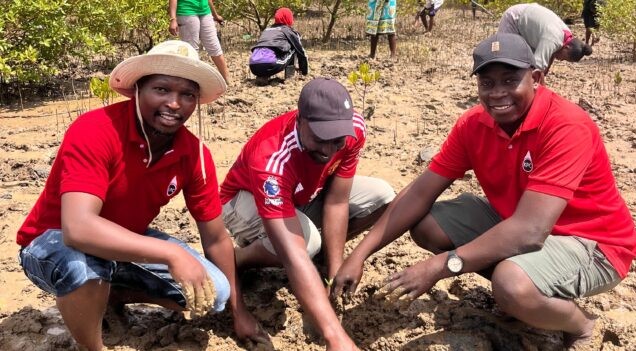
Our pipeline passes through ecosystems that support communities, livelihoods and wildlife. We work to minimise disturbance, control erosion, restore affected areas and support conservation beyond our operational footprint. These efforts contribute to healthier ecosystems, stronger natural resilience and more sustainable communities.
Spills & leaks: prevention first
A spill can affect people, businesses, water, land and ecosystems, so prevention is our first line of defence. We use monitoring and surveillance, inspection and maintenance, leak detection, emergency preparedness and rapid response. When an incident occurs, the priority is to isolate, contain, recover, restore and learn. Protecting the environment and protecting the integrity of the network go hand in hand.
Air quality
Cleaner operations, healthier surroundings
We manage emissions from our operations through efficient equipment, preventive maintenance, dust management, vapour controls and monitoring. Where risks are identified, we take corrective action to protect workers, communities and the environment.
Our environmental promise
Our environmental performance is ultimately measured by what matters beyond our facilities:
- Cleaner operations
- Safer communities
- Healthier ecosystems
- A more resilient energy network